| 일 | 월 | 화 | 수 | 목 | 금 | 토 |
|---|---|---|---|---|---|---|
| 1 | 2 | 3 | 4 | 5 | ||
| 6 | 7 | 8 | 9 | 10 | 11 | 12 |
| 13 | 14 | 15 | 16 | 17 | 18 | 19 |
| 20 | 21 | 22 | 23 | 24 | 25 | 26 |
| 27 | 28 | 29 | 30 |
- 멘탈 모델
- 효과성 코칭 방법론
- 이종서 HR 컨설턴트
- Effectiveness Coaching Model
- 효과성 코칭 모델
- mewemind
- 결정적 관점 코칭
- 3S-FORM Coaching Model과 뇌과학의 결합
- 결정적 관점
- 효과성 프레임워크
- 멘탈 모델링 코칭
- Effectiveness Coaching
- 결정적 관점 전환
- 미위마인드 mewemind.com
- 효과성 코칭의 이론과 실제
- Effectiveness Coaching Methodology
- The MEWEMIND Manifestation Model
- 3S-FORM Coaching Model
- 원하는 결과
- 이종서 코치
- 효과성 코칭
- 미위마인드 이석재
- 현장중심 코칭심리학
- Sukjae Lee Ph.D.
- 관점 코칭
- 코치올
- 생각 파트너 이석재
- 관점 전환
- 정신 모형
- Mental Modeling Coaching
- Today
- Total
미위마인드
Field-Focused Coaching Psychology in Dialogue with the 3S–FORM System and the Effectiveness Coaching Methodology 본문
Field-Focused Coaching Psychology in Dialogue with the 3S–FORM System and the Effectiveness Coaching Methodology
내 안에 있는 우리 2026. 2. 13. 07:25Field-Focused Coaching Psychology in Dialogue with the 3S–FORM System and the Effectiveness Coaching Methodology
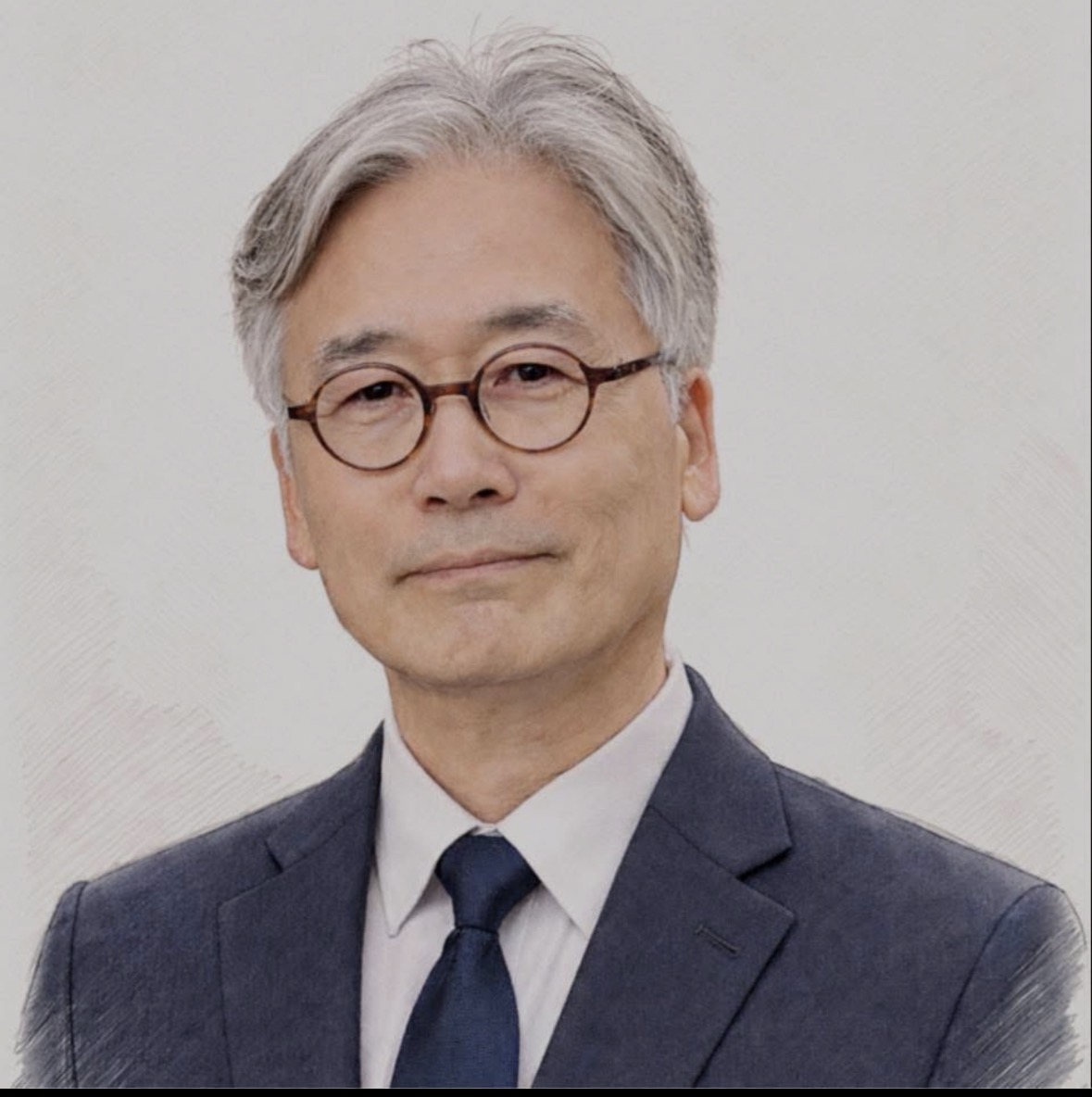
Sukjae Lee, Ph.D.
Creator of the Effectiveness Coaching Methodology
February 13, 2026
Over the past two decades, I have sought to articulate a coaching logic that is not derivative of psychotherapy or consulting, but inherently grounded in the unique structure and purpose of coaching. That journey has culminated in what I now call the Effectiveness Coaching Methodology (ECM), developed by Dr. Lee Suk‑Jae.
The present volume introduces what I describe as Field-Focused Coaching Psychology—an attempt to reinterpret major psychological theories from the standpoint of coaching practice rather than from the standpoint of therapy. While the original book systematized three domains and ten coaching principles, this integrated preface positions those elements within the broader architecture of ECM and the 3S–FORM system.
From Coaching Psychology to Coaching Architecture
The three domains identified in this work—
- Systemic Perspective Shifting
- Self-Directed Learning and Growth
- Outcome-Oriented Behavioral Change
—form the psychological backbone of coaching practice.
However, psychological insight alone does not yet constitute a coaching system. Coaching requires a structural engine—a repeatable, operational logic that links inner transformation with outer results.
This is where the 3S–FORM System emerges.
The 3S–FORM System as the Operational Core
Within the Effectiveness Coaching Methodology, coaching is understood as the interaction of two interlocking engines:
1. The Inner Growth Engine (3S)
- Self-Awareness – Expanding perceptual and systemic consciousness
- Self-Talk – Restructuring internal cognitive-emotional narratives
- Self-Reflection – Deep integrative processing that stabilizes change
These three processes activate internal reorganization. They correspond closely to:
- Systemic Perspective Shifting → Deepened awareness
- Self-Directed Learning → Reflective integration
- Behavioral Change → Internal restructuring of intention and identity
In other words, the psychological principles identified in this book become dynamically activated through the 3S process.
2. The External Structuring Engine (FORM)
In ECM, coaching intervention is organized through:
- Feedback – Systemic and behavioral data illumination
- Opportunity – Identification of growth leverage points
- Restructure – Mental model remodeling (beyond mere reframing)
- Move Forward – Committed, execution-oriented action
The shift from Reframe to Restructure marks a critical theoretical refinement. Coaching does not merely invite clients to see differently; it facilitates structural remodeling of the mental models that generate behavior.
The ten coaching principles presented in this book provide the philosophical and psychological substrate. FORM provides the structural methodology that translates them into execution.
Effectiveness as the Integrative Outcome
The central question of ECM is not simply:
Did insight occur?
But rather:
Did effective results emerge?
Effectiveness is defined as the sustained alignment between:
- Way of Being
- Decision Patterns
- Behavioral Execution
- Desired Outcomes
The three domains described in this book now align within ECM as follows:
| Field-Focused Coaching Psychology | 3S Activation | FORM Structuring | ECM Outcome |
| Systemic Perspective Shifting | Self-Awareness | Feedback | Expanded perception |
| Self-Directed Learning & Growth | Self-Reflection | Opportunity | Developmental leverage |
| Outcome-Oriented Behavioral Change | Self-Talk + Reflection | Restructure → Move Forward | Sustainable execution |
Thus, what began as a categorization of psychological frameworks evolves into a coherent coaching architecture.
Why This Integration Matters
Historically, coaching has struggled with three challenges:
- Over-reliance on psychotherapy theory
- Conceptual ambiguity regarding its unique logic
- Lack of structural clarity linking insight to measurable results
Field-Focused Coaching Psychology addressed the first two by identifying coaching-specific principles embedded within psychological traditions.
The Effectiveness Coaching Methodology addresses the third by providing:
- A repeatable system
- A diagnostic structure
- A transformation pathway
- A results-based evaluation logic
Coaching becomes not merely developmental conversation, but structured transformation.
Coaching as Mental Model Restructuring
At the deepest level, this integration clarifies that coaching is a disciplined process of:
- Expanding systemic awareness
- Remodeling internal mental models
- Aligning intention with execution
- Producing effective results in real contexts
Coaching is neither therapy nor consulting.
It is a structured developmental architecture that activates inner growth and external performance simultaneously.
An Invitation to Practitioners and Leaders
For professional coaches, this integration offers a pathway to articulate and refine your own coaching logic.
For counselors and psychologists, it demonstrates how psychological theory can be reinterpreted through a coaching lens without collapsing into therapy.
For organizational leaders and HR professionals, it offers a structured method for unlocking potential while ensuring execution.
The journey that began with analyzing twelve theories in coaching psychology has matured into a comprehensive system:
From Psychological Insight → to Structural Intervention → to Measurable Effectiveness
That is the trajectory of the Effectiveness Coaching Methodology.
And this book represents one of its foundational milestones.
Reference:
Lee, Sukjae (2023). Coaching Psychology Class for Boosting Execution. Seoul: Hakjisa.
'코칭 노트' 카테고리의 다른 글
| Viewing Failure Through the Lens of Failure in Organizational Leadership (0) | 2026.02.15 |
|---|---|
| 불일치와 긴장이 말하는 것 (0) | 2026.02.14 |
| 결과지향 코칭 프레임워크 (0) | 2026.02.13 |
| 내 삶이 내게 보내는 신호 (0) | 2026.02.12 |
| ME를 뒤집으면 WE가 된다 (0) | 2026.02.12 |


